
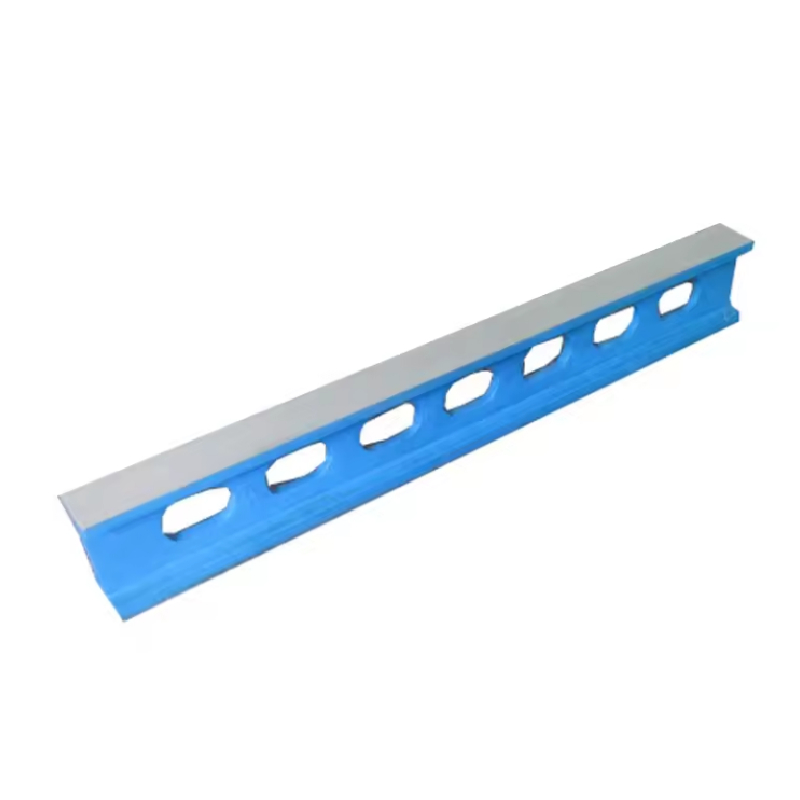
insulated glass units for sale
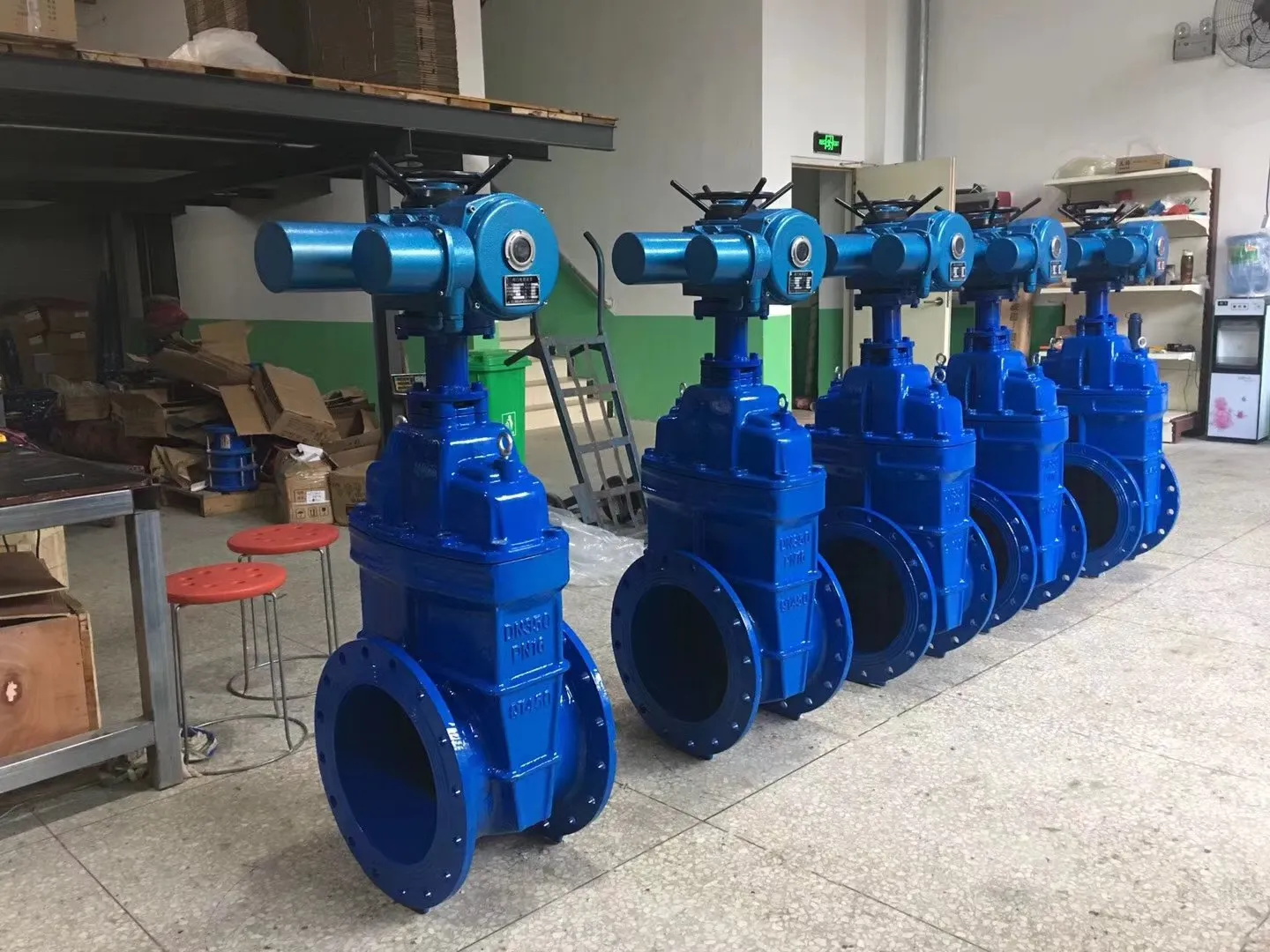
In today’s fast-paced industrial and municipal applications, the importance of reliable valve performance cannot be overstated. The soft seal gate valve has become a popular choice due to its exceptional sealing capabilities, corrosion resistance, and ease of operation. Whether for clean water, sewage systems, or low-pressure applications, this valve type ensures a leak-proof seal and long service life, making it an essential part of any pipeline system. Why the Soft Seal Gate Valve Is in High Demand The defining feature of the soft seal gate valve is its use of an elastic or rubberized sealing surface. Unlike traditional metal-to-metal sealing in standard gate valve designs, this type of valve offers a more flexible and secure seal, effectively eliminating leakage. Soft seal valves are especially suitable for: Municipal waterworks and drinking water systems Wastewater treatment plants Agricultural irrigation systems Firefighting pipelines These valves are valued for their resistance to corrosion, ease of maintenance, and excellent sealing under low pressure. Their robust structure and advanced sealing technology ensure that pipeline integrity is maintained even during frequent operation. Comparing with Other Gate Valve Types Among the various gate valve types , the soft seal gate valve stands out due to its improved performance in specific environments. While cast iron , flanged , and wedge-type gate valves are preferred in high-pressure or high-temperature conditions, the soft seal design excels in preventing water hammer effects and internal corrosion. When compared to other different types of gate valves , the soft seal version is lighter in weight, requires less torque to operate, and ensures a smoother closing process. This makes it not only practical but also economical over time. Ideal Applications for a 1 Flanged Gate Valve For smaller diameter pipelines, a 1 flanged gate valve is the perfect fit. It combines the compactness of a smaller size with the secure connection benefits of a flanged end. Flanged valves are easier to install and service, as they can be bolted on and removed without cutting the pipeline. Typical applications for a 1 flanged gate valve include: Local water distribution systems Small-scale industrial piping HVAC systems Its durable construction and precision seal make it a go-to option for installations where consistent flow control is necessary, and where leak prevention is a top priority. As industries seek smarter, more efficient solutions, the soft seal gate valve continues to gain recognition as a reliable and cost-effective option. Whether you're dealing with municipal water systems, agricultural flow control, or residential plumbing, choosing the right gate valve types —like a 1 flanged gate valve or soft seal gate valve —can significantly improve your system’s reliability and performance. With various gate valves for sale on the market, ensure you choose a reputable supplier offering products tested for long-term use and high sealing efficiency.
about
insulated glass units for sale
Understanding Pilot Operated Check Valves Pilot operated check valves are essential components in hydraulic systems, providing a robust solution for controlling the flow and preventing backflow. These valves combine the features of a standard check valve with those of a pilot control mechanism, enhancing their functionality and application in various industries. This article explores the operation, advantages, and applications of pilot operated check valves. Operation Principle A pilot operated check valve consists of two main parts the main valve and the pilot valve. The main valve is responsible for allowing fluid flow in one direction while preventing any reverse flow. The pilot valve, on the other hand, is controlled by external signals and modifies the conditions under which the main valve operates. When the system is pressurized in the desired flow direction, the pilot valve opens, allowing the pressure to act on the area beneath the main valve disc, keeping it in an open position. This design allows for normal operation, where fluid flows through the valve with minimal resistance. However, if the flow attempts to reverse, the pressure drops, and the pilot valve closes, allowing the main valve to shut and preventing backflow. This unique operation ensures that the system maintains its integrity and operates efficiently under various conditions. Advantages of Pilot Operated Check Valves 1. Minimal Pressure Drop One of the key benefits of pilot operated check valves is their low pressure drop across the valve. Traditional check valves can exhibit higher pressure drops due to their simpler design, which can impede performance in hydraulic circuits. In contrast, pilot operated check valves maintain a smooth flow path during operation, thus optimizing system efficiency. 2. Enhanced Control The ability to control the pilot valve externally means operators can dictate specific operational parameters more precisely. This enhances control over the hydraulic system, allowing it to respond effectively to varying demands and operating conditions. pilot operated check valve 3. Preventing Unwanted Movement In applications where load holding is critical, pilot operated check valves provide reliable protection against unexpected movement . For instance, in hydraulic lifting systems, these valves ensure that a lifted load remains secure in case of a power failure or system malfunction. 4. Versatility Pilot operated check valves are adaptable and can be used in a variety of settings, from construction equipment to industrial machinery. Their versatility makes them a popular choice in industries that require fluid power systems, including manufacturing, automotive, and aerospace. Applications The applications of pilot operated check valves are extensive, spanning a myriad of industries. In mobile equipment, such as excavators and cranes, these valves are crucial for maintaining load stability during operation. They prevent the sudden drop of loads if a hydraulic failure occurs, thereby improving safety and reliability. In stationary hydraulic systems, such as those found in manufacturing plants, pilot operated check valves are used to manage fluid flow in complex piping layouts. Their efficiency helps in reducing energy consumption, making them an integral component in modern hydraulic solutions. Moreover, in the oil and gas industry, these check valves help regulate the flow of fluids in high-pressure environments, ensuring the safe transportation of materials. Their ability to handle high fluid velocities while preventing backflow makes them indispensable in such critical applications. Conclusion Pilot operated check valves offer exceptional control and reliability in hydraulic systems, making them vital components across various industries. Their unique operational mechanism provides numerous advantages, such as minimal pressure drop, enhanced control, and versatility, making them suitable for diverse applications. As industries continue to evolve and demand more efficiency and safety, the role of pilot operated check valves will undoubtedly remain significant in fluid power technology.
-

High quality industrial productsagement

High quality industrial products
View Details -

Meet the diverse needs of customers

Meet the diverse needs of customers
View Details -

Strict quality control

Strict quality control
View Details -

Top raw materials

Top raw materials
View Details -

Trusted supplier

Trusted supplier
View Details
Our application


news and information
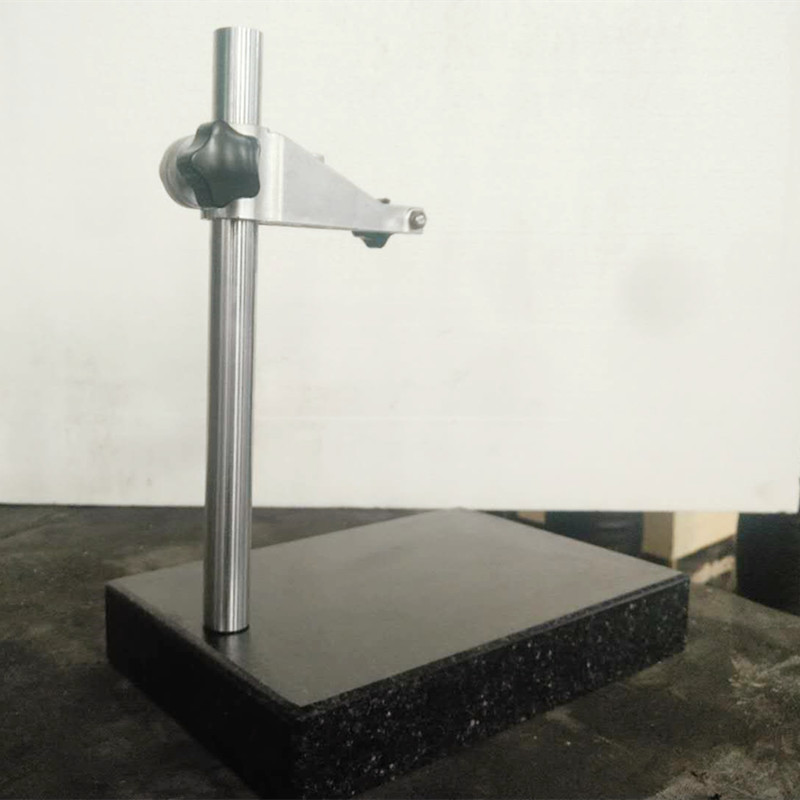
Venta horizontal
Título La Venta de Niveles Una Oportunidad Única En el mundo actual, donde la competencia es feroz y

water pressure control valve
Understanding Water Pressure Control Valves Water pressure control valves are essential components i
Venda de válvulas de retenção
Válvulas de Retenção A Escolha Perfeita para Seu Sistema Hidráulico As válvulas de retenção, também
 English